From upstream exploration to downstream refining — build the core engineering, safety, and operational knowledge the energy industry hires for, without pausing your career.
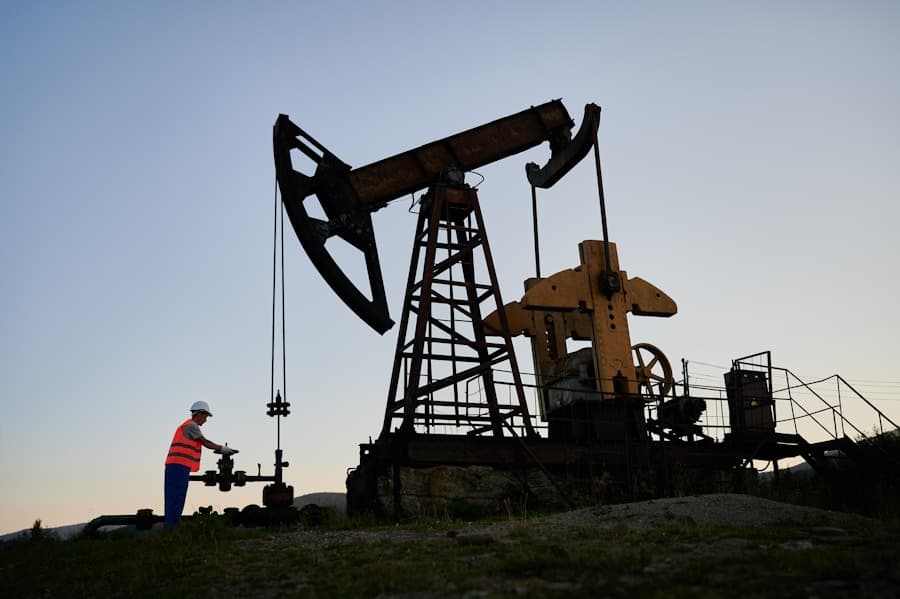
SMIC's Oil & Gas Engineering programme is one of the most sought-after courses at our oil and gas training institute in Kochi, designed for engineers and technical professionals who want to enter or advance within the energy sector. The curriculum spans the full hydrocarbon value chain — from upstream exploration and drilling operations to midstream transport and downstream refining — giving learners a comprehensive, industry-recognised foundation.
The programme is delivered in a hybrid format: learners complete a focused practical block on the SMIC Kochi campus (approximately one month), then continue with live online classes, recorded sessions, and dedicated mentor support for the remainder of the course. This 'learn while you earn' model means you can upskill from anywhere in India, the Gulf, Europe, or beyond without leaving your current job or city.
Instruction is led by industry practitioners with active experience in refineries, offshore platforms, and EPC projects. Content is aligned to globally recognised standards including API recommended practices, NEBOSH process-safety principles, and ISO 9001 quality frameworks, ensuring that the skills you gain are directly relevant to employer expectations across India and the Gulf region.
A structured, industry-mapped syllabus — practical on campus, theory and projects online.
Roles our graduates target across Kochi, Kerala, the Gulf and beyond.
Core role in refineries and petrochemical plants across India, the Gulf, and South-East Asia — strong and sustained demand.
Health, safety, and environment professionals are mandatory on every upstream and downstream site; Gulf markets particularly active.
In-demand across EPC and brownfield projects; roles exist in India, the UAE, Saudi Arabia, and Qatar.
Automation of oil and gas facilities is expanding, driving consistent demand for I&C engineers globally.
Entry to mid-level operations roles in upstream fields and downstream refineries; good pathway for diploma and degree holders.
Critical role in EPC project execution; large project pipelines in the Middle East sustain ongoing hiring.
Specialised upstream role with offshore and onshore opportunities; Gulf and African markets particularly active.
Growing focus on ageing infrastructure and carbon-reduction targets is driving demand for integrity management skills.
Expanding LNG terminals in India and the broader Asia-Pacific region are creating new operational roles.
Complete your focused campus practical block in Kochi, then continue with live online classes and recorded sessions so you can keep working full-time from anywhere in India or abroad.
Hands-on sessions at our Kochi facility use industry-standard equipment and mock-up rigs, giving you the physical competence that theory alone cannot provide.
All modules are led by practitioners with real refinery, offshore, and EPC project experience — not just academic instruction.
Course content is developed in line with API recommended practices, NEBOSH process-safety principles, and ISO 9001, so your knowledge maps directly to what employers assess.
SMIC's placement support team connects graduates with relevant job openings and provides CV guidance, mock interviews, and employer networking throughout the programme.
Our learner community spans India, the UAE, Saudi Arabia, Kuwait, and beyond, giving you peer connections and alumni insights in the markets most relevant to oil and gas careers.
Yes. SMIC's Oil & Gas Engineering programme is a hybrid course: you attend a focused practical block of approximately one month at our Kochi campus, and the remaining modules are delivered live online with recorded catch-up sessions. This means you can enrol from anywhere in India, the Gulf, or Europe and still access high-quality, hands-on training.
The total programme duration is six months. This includes the on-campus practical block in Kochi (approximately four weeks) and the structured online component with live classes, assignments, and mentored project work that follows.
The programme is open to holders of a diploma or degree in Mechanical, Chemical, Electrical, Instrumentation Engineering, or a related discipline. Science graduates (Physics/Chemistry) with a strong interest in the energy industry are also considered. Fresh graduates are welcome — no prior industry experience is mandatory.
SMIC — SkillMerge Industrial Campus — is based in Kochi, Kerala, and is one of the specialist industrial training institutes in the region focused exclusively on engineering and technical disciplines. Our curriculum references API, NEBOSH, and ISO 9001 standards, and instruction is delivered by practitioners from the oil and gas industry. Please contact our admissions team for current accreditation and affiliation details.
Yes. A dedicated module covers Process Safety, HSE, and Emergency Response in depth, including HAZOP methodology, permit-to-work systems, fire and gas detection, and NEBOSH-aligned process safety management principles. Safety is woven through every technical module as well, reflecting real industry practice.
SMIC provides placement assistance to all programme graduates. This includes CV and LinkedIn profile guidance, mock technical and HR interviews, and connections to relevant employers and recruitment networks in India and the Gulf region. While SMIC supports your job search actively, placement outcomes also depend on individual effort, market conditions, and the candidate's background.
Absolutely. The hybrid design was built for working professionals. The online component — live classes, recorded sessions, mentor support — is fully accessible from any time zone. You would need to plan approximately one month's availability for the Kochi campus practical block; many Gulf-based learners time this around annual leave. Contact our admissions team to discuss scheduling options.
Tell us a little about yourself and a counsellor will share the full syllabus, fees and upcoming cohort dates within 24 hours.
Fill in the form and a counsellor will get back to you shortly.